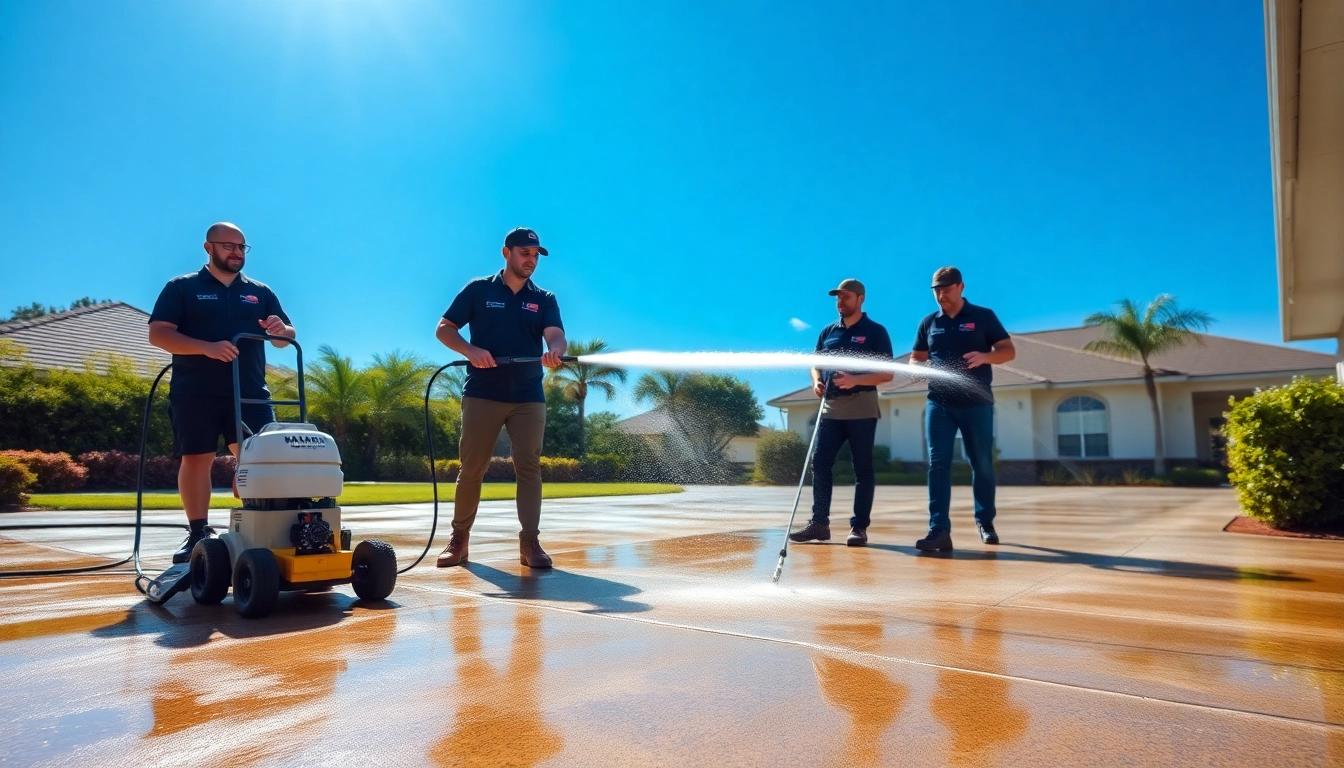
Understanding Concrete Cleaning: The Basics
Concrete cleaning is an essential part of maintaining the aesthetic appeal and structural integrity of surfaces in residential and commercial environments. It involves the removal of dirt, stains, and contaminants from concrete surfaces to restore them to their original condition. This process is not merely cosmetic; it plays a vital role in prolonging the life of the concrete and enhancing the overall safety of the area. By employing various techniques and equipment, property owners can ensure their concrete surfaces remain clean and functional. When exploring options, concrete cleaning services can provide comprehensive insights and solutions tailored to your needs.
What is Concrete Cleaning?
Concrete cleaning refers to the methods used to remove dirt, grime, algae, and stains from concrete surfaces. It can include residential driveways, patios, sidewalks, and commercial spaces like parking lots and storefronts. The cleaning process can be divided into two main approaches: pressure washing and chemical cleaning, each of which has its specific applications based on the type of stains or contaminants present.
Common Methods for Concrete Cleaning
- Pressure Washing: This method uses high-pressure water jets to remove dirt and stains effectively. It's ideal for larger areas like driveways and sidewalks.
- Soft Washing: Using lower pressure combined with eco-friendly cleaning solutions, soft washing is suitable for delicate surfaces, preventing damage while effectively cleaning.
- Chemical Cleaning: This involves using specialized cleaning agents that break down tough stains, such as oil or grease. Often used in conjunction with pressure washing for enhanced efficacy.
- Manual Cleaning: For small or specific areas, scrubbing with brushes and cleansers can be effective, although labor-intensive.
Benefits of Professional Concrete Cleaning Services
Hiring professionals for concrete cleaning offers several advantages, including:
- Expertise and Experience: Professionals are trained in the best techniques and have the right equipment to achieve optimal results.
- Time-Saving: Outsourcing this task frees up your time for other priorities, while experts handle the cleaning efficiently.
- Safety: Professionals take measures to ensure safety during the cleaning process, protecting both the property and the workers.
- Long-Lasting Results: Professional services often include treatments that extend the life of your concrete, reducing future maintenance costs.
Choosing the Right Concrete Cleaning Technique
Power Washing vs. Soft Washing: What You Need to Know
Choosing between power washing and soft washing depends on the specific circumstances of your concrete surface. Power washing utilizes high-pressure water jets to dislodge dirt and grime, making it highly effective for tough stains and larger areas. However, it can be damaging to older or more delicate concrete surfaces.
In contrast, soft washing employs a gentler approach, using low-pressure washing combined with cleaning solutions that are safe for various surfaces. This method is ideal for surfaces susceptible to damage, such as painted concrete or delicate driveways.
Eco-Friendly Options for Concrete Cleaning
With growing environmental concerns, many professionals are shifting towards eco-friendly cleaning solutions for concrete. These biodegradable detergents are less harmful to surrounding plants and wildlife while providing effective cleaning results. Techniques like water reclamation further enhance the eco-friendliness of the cleaning process by minimizing water waste.
How to Select the Right Equipment for Your Needs
Choosing the right cleaning equipment is crucial for effective concrete cleaning. For residential projects, electric pressure washers can be efficient and sufficient for smaller jobs. Commercial projects, however, may require heavy-duty gas-powered machines that provide higher pressure and more durability. Furthermore, consider the surface type and the nature of the stains when selecting cleaning equipment.
Step-by-Step Guide to Effective Concrete Cleaning
Preparation: Gathering Tools and Materials
Before starting your concrete cleaning project, gather the necessary tools and materials:
- Pressure washer or soft wash equipment
- Eco-friendly cleaning detergents
- Protective gear (gloves, goggles)
- Scrubbing brush and broom
- Hoses and extension cords
Also, ensure the area is clear of obstacles and that you have access to water and power sources as needed.
Executing the Cleaning Process: Tips for Success
Follow these steps for an effective cleaning process:
- Pre-Treatment: Apply a cleaning solution to tough stains and allow it to sit for the recommended time to break down grime.
- Pressure Wash: Begin washing from the top down, ensuring that water flows away from structures to prevent damage.
- Rinse and Inspect: After washing, rinse the surface thoroughly and inspect for any remaining stains that may need additional treatment.
Post-Cleaning Care for Concrete Surfaces
After cleaning, it’s essential to allow the surfaces to dry completely. Consider applying a concrete sealer to protect the surface from future stains and moisture penetration. Regular maintenance and prompt attention to spills will help keep your concrete looking pristine.
Common Challenges in Concrete Cleaning
Addressing Stains: Oil, Grease, and Other Stubborn Marks
Concrete is prone to various types of stains, some of which can be stubborn, like oil or grease marks. For these, a specialized degreaser combined with pressure washing is often the most effective solution. Treat stains as soon as possible for better results.
Preventing Damage During the Cleaning Process
One of the biggest risks in concrete cleaning is damaging the surface. To prevent this, always start with the lowest pressure setting and gradually increase if necessary. Additionally, avoid concentrated cleaning chemicals that can etch or discolor concrete surfaces.
Understanding Weather Impacts on Concrete Cleaning
Weather conditions can greatly influence the efficacy of concrete cleaning. Ideal conditions involve dry weather, as wet surfaces can prevent proper cleaning and lead to streaks. Avoid cleaning on extremely hot days as the sun can dry out cleaning solutions before they work effectively.
The Future of Concrete Cleaning: Trends to Watch in 2025
Emerging Technologies in the Cleaning Industry
As technology advances, new cleaning techniques and equipment continue to emerge. Innovations include robotic cleaning systems that can autonomously handle large surface areas and advanced cleaning solutions that actively break down dirt at a molecular level. These technologies not only enhance efficiency but also improve the quality of the cleaning results.
Predicted Changes in Consumer Preferences
In 2025, consumer preferences are expected to shift towards more sustainable and eco-friendly cleaning options. As awareness of environmental issues grows, more property owners will seek services that utilize biodegradable products and methods that minimize water usage.
Innovative Techniques and Products for Concrete Cleaning
The use of nanotechnology in cleaning products is on the rise, offering safer and more effective options for tough stains. Additionally, products infused with anti-microbial properties are gaining popularity as they not only clean but also help prevent mold and mildew growth on concrete surfaces.